
Nowadays, it’s not uncommon for children, young people and adults alike to share that they’re feeling overwhelmed or highly stressed. There are plenty of theories and research about why stress seems to be on the rise in our society, but what matters most is how it affects individuals. In my experience as an art psychotherapist, I’ve witnessed an increase in stress related distress, which often shows up as withdrawing from others, difficulties with eating, strained intimate relationships, or deep feelings of sadness.
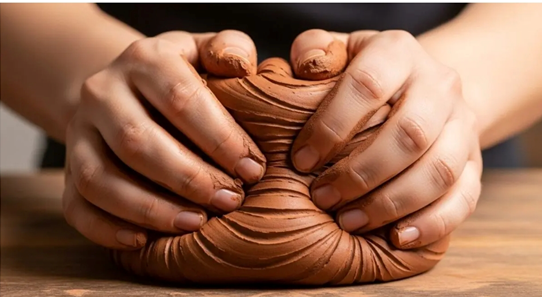
Art therapy approaches are grounded in evidence, and the field has a rich history of helping people navigate these challenges. I’m increasingly drawn to clay making and working with traditional clay and a more modern type called ‘silk clay’, discovering their remarkable ability to gently soothe burnt out nervous systems.
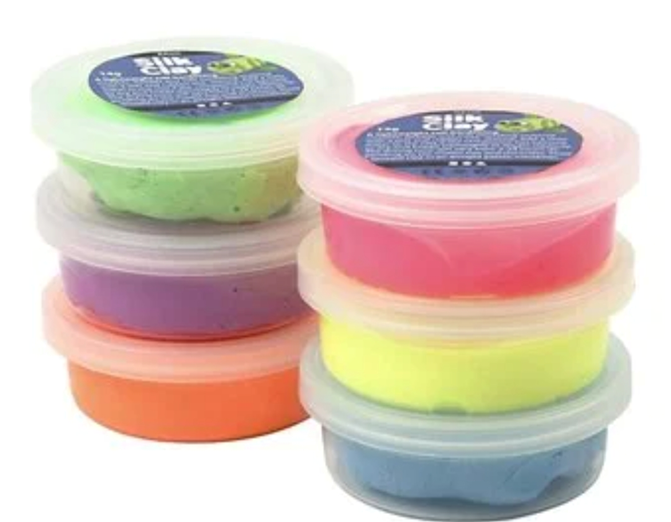
These tactile, hands-on materials can shift the brain from a “fight-or-flight” state to one of calm and restoration. Simply touching, kneading and shaping clay offers a sense of comfort and relaxation. Engaging the senses and expressing oneself creatively can lower stress hormones like cortisol and open a pathway for healing emotions that might be locked away in the body.
The connection between creative processes—especially working with clay—and the nervous system is both profound and gentle. Here are a few ways art therapy can support you:
Calming the Brain’s Reactive System
When stress, anxiety or difficult past experiences builds up, the amygdala—our brain’s “danger sensor”—can become overactive. This often leaves people feeling overwhelmed or stuck. Art psychotherapy naturally invites you to redirect this intense energy into something creative, like sculpting, painting or drawing. The rhythmic, repetitive motions of kneading and shaping clay help to lower cortisol, reduce blood pressure and bring the amygdala back into balance, this often allows thoughts to settle and become quieter. Overtime and with support the thoughts can become more manageable and negative thoughts can be challenged and re-directed.
Sensory Grounding: Our hands are full of sensory receptors. The steady, predictable pressure of moulding clay sends calming signals to the vagus nerve, reassuring your body that it’s safe and easing feelings of anxiety or panic.
Finding “Flow”: Clay making invites you to become fully absorbed in the process, engaging your senses and attention. This experience often brings about a “flow state,” where worries fade into the background and the mind finds rest from constant rumination.
Boosting Brain Connections: Research shows that hands-on creative activities, like ceramics, increase dopamine and support flexible thinking and emotional regulation.
Activating the Parasympathetic Response
Gentle, rhythmic art activities—like kneading clay, doodling, or sweeping brushstrokes—soothe the autonomic nervous system. These motions activate the vagus nerve, signalling safety to your body, lowering cortisol, and inviting a state of rest, repair and relaxation.
Integrating Both Sides of the Brain
Trauma and intense emotions are often stored in the right side of the brain, as wordless memories. Creating art offers a safe way to give shape to these feelings. When you look at and talk about your artwork with your therapist, you engage the left side of your brain—the centre for words and thinking—which helps you understand and process your emotions without becoming re-traumatised.
Releasing “Feel-Good” Chemicals
Creative activities can stimulate the release of dopamine—a “feel-good” chemical in the brain. This natural boost lifts your mood and helps ease feelings of anxiety, depression and overwhelm.
Encouraging Neuroplasticity
By regularly embracing creative and reflective activities, the brain learns to adapt and form new pathways. This process, called neuroplasticity, means you can retrain your mind to respond to emotional distress with greater resilience and calm.
If you’d like to discover more about how art therapy can support you individually or in small groups, please contact me to express interest in ‘Art Therapy: Gently Resetting the Nervous System’ for children, adolescents and adults. The next phase of group work will start in September/October 2026. All existing groups are currently fully booked.